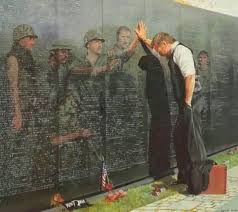
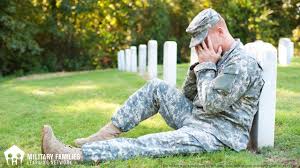
The aftermath of the firings and blasts on military bases with dead soldiers mourning soldiers there is a silence of grief, sadness, pain, anguish, sorrow, misery and floating of memories and ringing sounds of the time of the attack. The soldiers stand guard the fallen and take cover in the horrifying memories.
Haunting memories and realisation of the traumatic experience and realisation of the death of brothers and them surviving the attack starts pacing the mind and heart. The soldiers start to experience an emotion of guilt towering over their mind feeling helpless of what happened and thinking and thinking what would have happened if they did something which would have saved the lives of their fellow soldiers instead of surviving alone after the life-threatening situation they have experienced. This emotion or feeling is called Survivor’s Guilt. People who experience a life-threatening incident and they survived it. There are two emotions the survivors will feel is either that they are fortunate or pull themselves into self-guilt.
The blame:
The survivor’s aftermath will start to blame himself/ herself for the incident to happen and their inability to do nothing to prevent the tragic incident from happening. The constant memories will cover their further judgements.
Guilt is what they are experiencing. Feeling of remorse for something which had happened like injury, losing a buddy, a bother of their unit, civilians death in a war field and feeling responsibility in a way be it real or unreal.
“It took me a long time to accept that I wasn’t responsible, but I still see his brand new boots and his shiny dog tags.” – Veteran’s words.
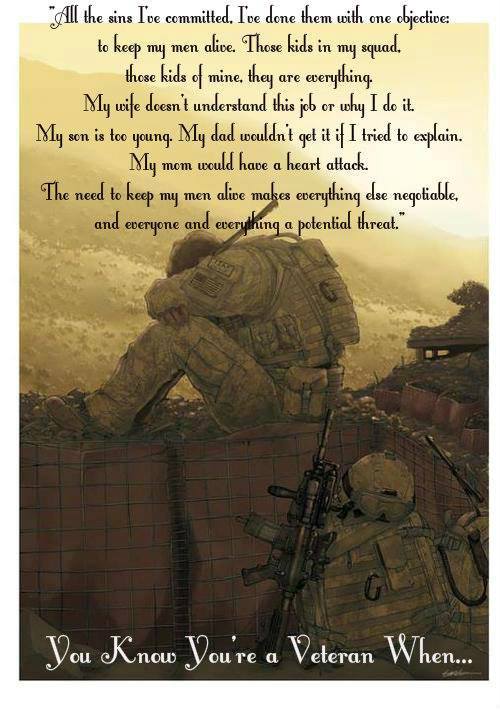
The blame and the guilt which accumulates after the incident after leaving active duty or leaving corps or military behind or being in a hospital with an injury because of the incident will cause a lot of disturbance in the lifestyle and daily routine of the veteran and for some combat veterans, it makes it impossible or hard to make it end of the day without having a flooding image of what had happened.
Only the combat men who are on the ground of the attack will know what has happened and how it has happened. This makes it hard for them to think that anyone in front or with will feel empathy but will only show sympathy/ pity.
This survivor’s guilt is also taken as a major aspect of Post Traumatic Stress Disorder commonly known as PTSD.
PTSD is characterised by failure to recover after experiencing or witnessing a terrifying event. The condition may last months or years, with triggers that can bring back memories of the trauma accompanied by intense emotional and physical reactions.
The aftermath of the blame :
- The flooding images make the combat men rethink and redesign their cognitive structuring and according to researchers on the post-experience of the combat on veterans, it is revealed that most of the men will suffer from moral injury.
- Moral injury is coined by a psychiatrist Jonathan Shay and his colleagues built on the various and numerous narratives, stories and experiences by military/ veteran patients. Moral injury refers to an injury to an individual’s moral conscience and values resulting from an act of perceived moral transgression, which produces profound emotional guilt and shame, and in some cases also a sense of betrayal, anger and profound “moral disorientation”
- There is cognitive dissonance among their pre and post self of the attack. The combat men overcome but their time and help between will determine the mental health of the veteran. There is always a fight in them about what is right and what is wrong to deal with their decisions.
- The people (combat men, military men, veterans)might also experience the feelings of regret (a feeling of sadness, repentance, or disappointment over an occurrence or something that one has done or failed to do).
- They may ruminate over that has taken place and their helplessness to avert the situation. This rumination is often influenced by the Hindsight bias (the tendency of people to overestimate their ability to have predicted an outcome that could not possibly have been predicted).
The concept of survivors guilt took its place among the psychologists after world war II and mainly during the ’60s (eg: Vietnam war ). Numerous psychologists have described a similar set of symptoms experienced by the survivors of the war/holocaust either with or without injuries. Since then there is observed emphasis on the symptoms seen in the combat men across a range of similar war-like situations.
Symptoms of survivor’s guilt:
Psychological :
- Feelings of guilt
- Nightmares
- Stress and anxiety
- Flashbacks
- Ringing sounds
- Irritability
- Feelings of helplessness
- Lack of motivation
- Suicidal thoughts
- Depression
Physical:
- Numbness
- Difficulty sleeping
- Stomach aches
- Racing heart
Survivor’s guilt and mental health:
People who have survived a tragic event or a life-threatening event and have experienced something dreadful will have a serious effect on the individuals psychological, emotional wellbeing and will have drastic change in one’s perception or perspective and also in their performance. Once the individual is convinced that he or she is responsible the dark cloud of stress, anxiety, depression takes over the life of the individual leaving him/ her to shatter into pieces or harm himself/ herself or take a big leap in taking the life of other whom she or he thinks is responsible for the event to happen.
The individuals suffering from survivor’s guilt will have negative impacts on daily functioning in environments like family, friends, workplace and public. The other events which have a slight similarity to the traffic event they start to have their mind and body filled with helplessness and anguish and anger and the outcomes of that might be ranging from killing to overprotectiveness for something will happen. The anxiety, stress over the long period of time will cause the individual to take drastic steps. According to researchers, many veterans have taken their lives (suicide) or else harmed someone.
The mental wellbeing of not only the primary affected person will be affected but also the family members or the people around them.
TIPS for overcoming Survivor’s Guilt:
- Seek the help of a friend or family member or professional
- Give yourself time to grieve.
- Take care of yourself physically and psychologically
- Feel good about yourself
- Feel good that you have survived and taken the opportunity to make a difference in lives in and around you
- Try to be of service to someone or something
- Constantly remind yourself that you are not alone and spend time with near and dear and overcome
- Be patient
- Journal your feelings or do any activity that will pour out your feelings
- Try to start a new routine and stick to it.
Therapies to help relieve Survivor’s guilt:
There are two kinds of approaches to treating and relieving the feeling of survivors guilt.
Bottom-up approach
In this approach therapies such as EMDR (Eye Movement Desensitization and Reprocessing) [it is a psychotherapy that enables people to heal from the symptoms and emotional distress that are the result of disturbing life experiences], Neurofeedback (NFB) [also called Neurotherapy or neuro biofeedback, is a type of biofeedback that uses real-time displays of brain activity—most commonly electroencephalography (EEG) in an attempt to teach self-regulation of brain function] and brain spotting allow the individual’s emotions or the distress feelings to be processed at an unconscious level. They work better to treat the survivor’s guilt and other trauma-related symptoms.
Top-down approach
In this approach therapy like Cognitive behavioural therapy (CBT) [it is a common type of talk therapy (psychotherapy). You work with a mental health counsellor (psychotherapist or therapist) in a structured way, attending a limited number of sessions]. can be used. In this kind of therapy, the mind of the therapist engages the mind of the patient which assumes that changing thoughts will change behaviour and feelings.
According to researchers, regarding the therapies for survivors’ guilt and trauma-related symptoms, Bottom-up approach is more powerful than the Top-down approach. “With a bottom-up approach to therapy, we help that person find new skills so that feelings feel more manageable. Until a person can learn to be present and in their body and feel their feelings safely, it’s impossible to truly process trauma”.
It is to remind them that it is the gift that they have gotten to continue to live and it is our responsibility to make sure they are remembering it every time and it is our responsibility to make sure the help is given and needs and wants are taken care of.
The surviving a holocaust or killing innocent civilians or having close buddy die in front of you during active duty will take definitely take a toll on the survivor. They hope to continue to live and have to be given or acquired to survive the survivor’s guilt.












People reacted to this story.
Show comments Hide comments[…] people will focus on the details of what happened to the body of the person who died. Feelings of guilt and regret can lead to concern that their thoughts and actions made the death happen. While teens […]