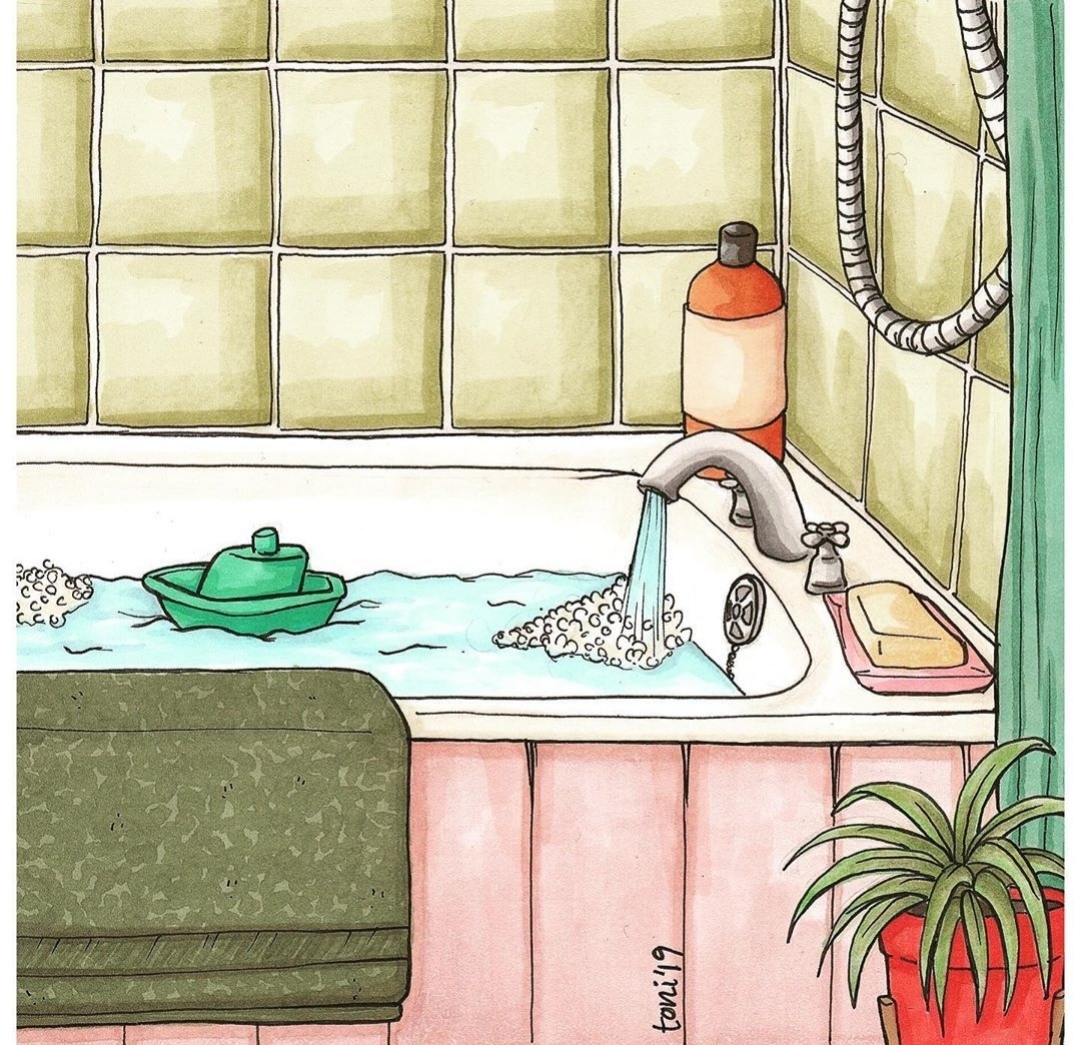

Throughout the weekend, I was exhausted with my submissions. Constant screen time added up to my headache. It almost came to a point where I felt like my brain was crashing down with the constant brainstorming. With so much going on, I decided to take a hot shower at night to calm down and give myself a break. I put on some music and believe me or not, there was instant relaxation as soon as water tickled down my face. I’ve always wondered how just pouring water on your body can elevate your mood, make you go from distress to feeling composed. A good bath might come off as luxury or a form of self-care, but it goes way beyond that.
Studies have shown that bathing has proven benefits for your mental health.
- In a German study, participants with depression reported a boost in mood after soaking in a 40C bath for 30 minutes. In this experiment, regular bathing was proven to be more effective than aerobic exercises.
- A Japanese study also investigated the mental health benefits of bathing, in comparison to showering. They found that bathing resulted in less stress, tension, anger, and hostility.
- Baths and showers are practices that are sometimes used in something called dialectical behavioral therapy (DBT). “DBT offers a skill called TIPP”. “TIPP stands for ‘temperature, intense exercise, paced breathing, and paired muscle relaxation.’ It is used to help a person [physically] regulate themselves from emotional distress.”
- The traditional text of Ayurveda, Astanga Sangraha also mentions the importance of water and its properties. According to Ayurveda principles, water gives life and is wholesome for everyone.
- Environmental toxins can cause neurotoxicity which include alteration in thinking, perception, mood and behaviour. Steam bathing is one method of fending off neurotoxicity by opening body pores. This allows 30% bodily waste to be excreted by perspiration, resulting in mental clarity and emotional stability.
Medical benefits of bathing:
The word hydrotherapy derives from the Greek hydor, meaning water, and from therapeia, meaning to heal. Hydrotherapy is defined as the external or internal use of water in any of its forms (water, ice, steam) for promoting physical and psychological wellbeing. Lui Kuhne, was the father of hydrotherapy.
- Improves heart rate and circulation of blood
- Aids your brain and nervous system.
- Increases your immunity: research has shown that cold water submergence can improve cell damage and decrease the risk of cancer.
- Balancing of hormones: bathing in warm water can increase the levels of serotonin, which is the hormone associated with happiness and wellbeing. Bathing in cold water can balance the hormones released by the pituitary gland, such as adrenocorticotropic hormone.
- Increase in body awareness: Helps individual improve their body awareness while working against viscosity of the water.
Hidden Psychobathology:
Practicing hygiene has an impact on our mental health care. People suffering from mental health issues tend to neglect basic aspects of hygiene, like showering or brushing teeth. In mental health rehabilitation centers bathing is considered as an indication of recovery in the patients. Family members of the patients admitted in the rehab centers have reported distressing symptoms and behaviors related to personal hygiene. It is observed that maniacs take early morning cold bath in winters, people suffering through depression completely avoid taking bath and those with obsessive compulsions consider bathing to satisfy their obsessions.
Few ways in which you could rejoice in the shower or in the bath:
1.Temperature matters
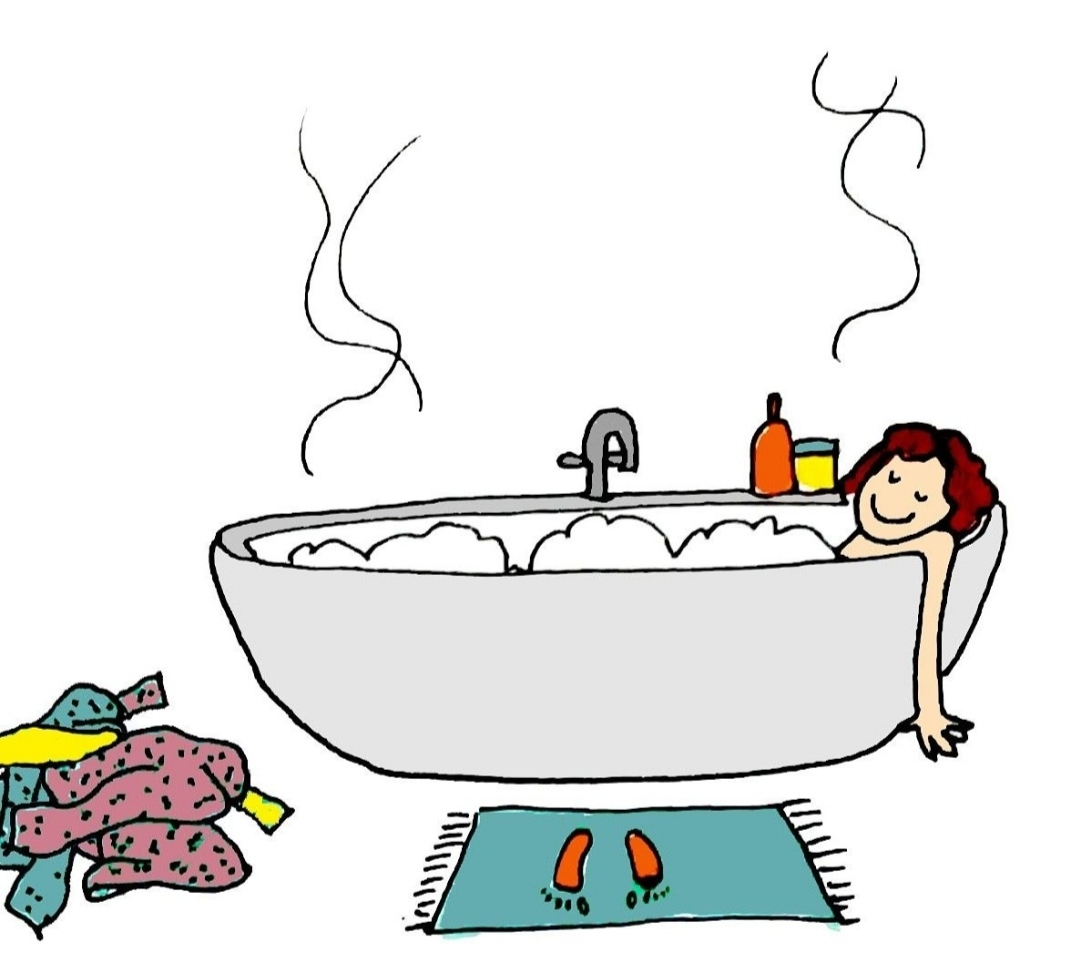
You know at times, when you take a bath or shower, the temperature of the water is just perfect, neither too cold nor too hot. Warm bath helps to ease our physical tensions and relieve our daily anxieties. It can even help with our digestion and lower blood sugar levels. Studies reveal that bath temperature for a healthy adult should be between 40-45C, ideally in a room that is 25C.
2. Essential oils
Essential oils are basically condensed extracts from plants. Traditionally these oils were used to cure ailments, pains and small aches but now evolving field of aromatherapy reveal that it can promote mental wellness.
Essential oils stimulate the portion of the brain that regulates emotions, in addition to activating a protein that plays a role in the perception of warmth. Hence, both these effects can create a sense of peace and comfort.
Lavender oil is among one of the widely used essential oils. A study stated that people who suffer from PTSD showed less anxiety, had fewer sleep disturbances feeling overall healthier. You could have a few drops of essential oils in your bathwater or even few petals of rose could benefit. It is essential to use carrier oil to avoid skin irritation.
3. Light exposure
With the ongoing pandemic, we are all glued to our electronic devices. Everything from academics to work has become online because of which we are exposed to blue light for long hours. Constant screen time is strenuous to our eyes, leaving us mentally drained and prone to headaches.
If your bathroom has natural light, then consider bathing during daytime. While if you’re planning on bathing either in the evening or night, consider switching off the lights, instead lighting up a candle. Research suggests that exposure to artificial light at night suppresses melatonin, interfering with sleep timing and quality of sleep.
4.Put on some light music
We all have our bunch of songs which we sing or dance to in the shower. Something that I have discovered to be very relaxing is playing natural soundtracks like chirping of birds or sound of the waves. Studies have shown that nature sounds can decrease body’s sympathetic response. Even listening to instrument soundtracks (flute and piano) can be very soothing.
5. Meditation
If you are someone who struggles to meditate in normal setting, practice it whilst bathing. Just close your eyes and focus on your breathing. Focus on how the water feels and on the fragrance of essential oils. This will help you be more mindful and aware at the same time.
Michael Wenger, dean of Buddhist studies at the San Francisco Zen Center, tells us that, “moving water is white noise, in which you can hear many things.” You can also experiment by listening to different sounds in the water as it washes over you.
6.Give yourself a pep talk
At times, when I hit rock bottom in life, I go to take a bath just to empty my mind, think clearly and take time to reflect. Contradictory to this, motivating myself or making a strategy to achieve my goals is also something I do in the shower too! Just a momentarily escape for some time, connect with myself and taking care of my body.


















No Comments
Leave a comment Cancel